
Health in Africa: When the language barrier becomes a matter of life and death
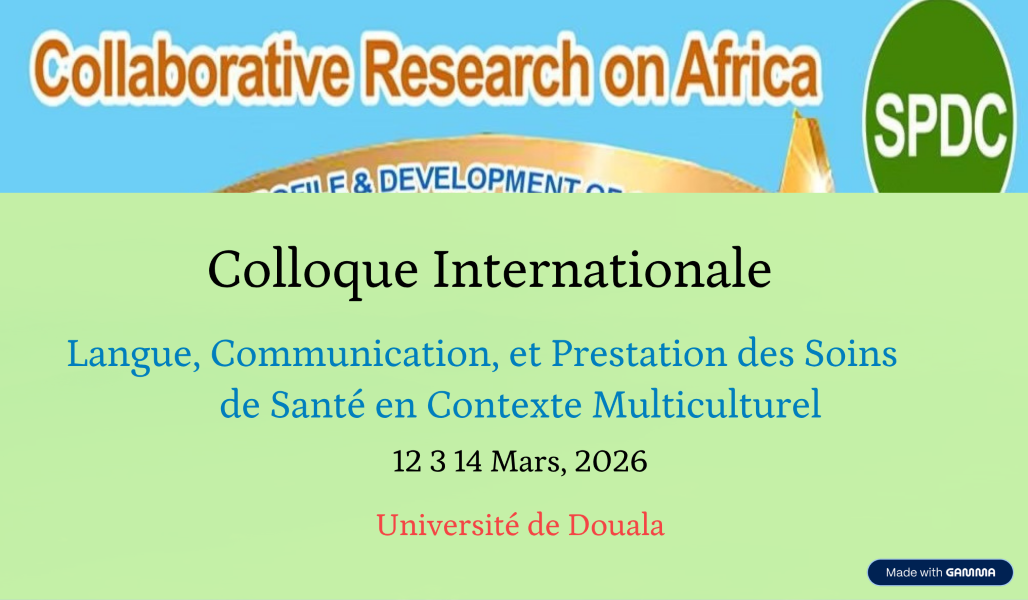
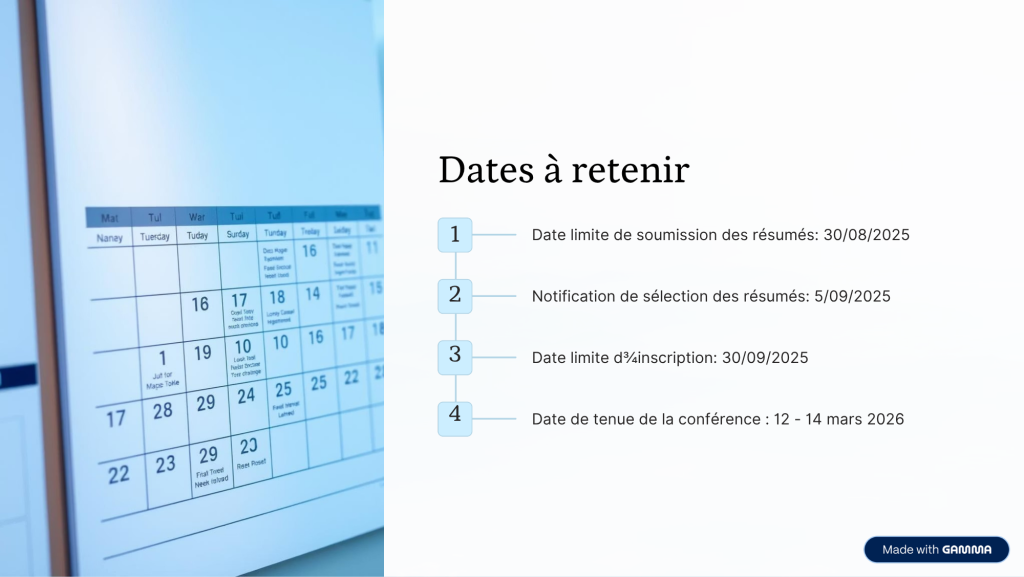
An international symposium of crucial importance is being prepared at the University of Douala. From March 12 to 14, 2026, researchers, practitioners, and policymakers will delve into a tragic, unexamined aspect of the African health system: the linguistic and cultural gap that separates caregivers and patients. The event, titled “Language, Communication, and Healthcare Delivery in a Multicultural Context”, promises to highlight a reality where a simple misunderstanding can lead to misdiagnosis, or even worse.
The observation made by the organizers is stark. In most African countries, healthcare is “spoken” in an official language, often the legacy of a colonial power. The case of Cameroon is emblematic: with 283 local languages, healthcare delivery relies almost exclusively on French and English. However, medical staff, trained in these official languages, find themselves facing a majority of the population who do not master them, or not well enough to express the subtlety of a symptom or understand the complexity of a prescription.
This medical “Tower of Babel” is not without consequences. It leads to communication breakdowns, unnecessary expenses, erroneous diagnoses, and, as the call for papers emphasizes, contributes to high mortality rates. The failure to consider the cultural perspectives, values, and beliefs of patients further widens this gap. Ignoring the cultural perception of a disease or the role of traditional healers means depriving oneself of a comprehensive understanding of the patient.
Faced with this glaring deficit of research on the subject in Africa, this symposium aims to create an electroshock. The objective is to gather ethnographic data and best practices to finally make communication a pillar of care. The topics to be addressed are as varied as they are crucial: language choice in hospitals, communication between patients and nurses, the role of culture in the training of health personnel, the discourse on Western medicine versus traditional knowledge, and communication during pandemics like HIV/AIDS and COVID-19.
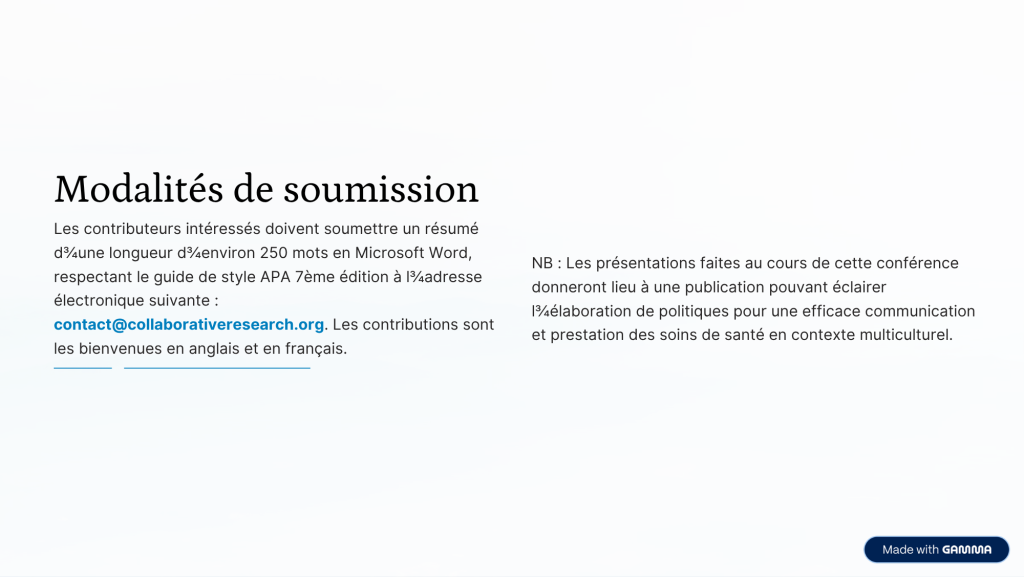
The organizers strongly encourage case studies, as it is from the field that enlightenment will come. The conclusions of these three days of debate will not remain a dead letter: they will result in a publication intended to inform the development of more effective and humane health policies. Because, as the conference points out, language is not a technical detail in care; it is its very heart. It is urgent that health systems learn to speak all their patients’ languages.
To find out more: https://campusunivers.com/wp-content/uploads/2025/06/Copy-of-International-Conference_New_version1.pdf

Jean Bosco BELL